
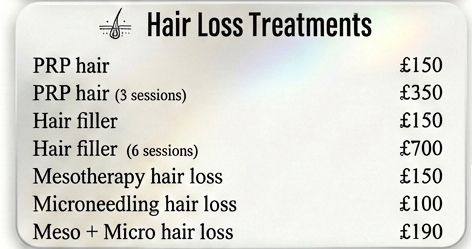
Hair Loss Treatments
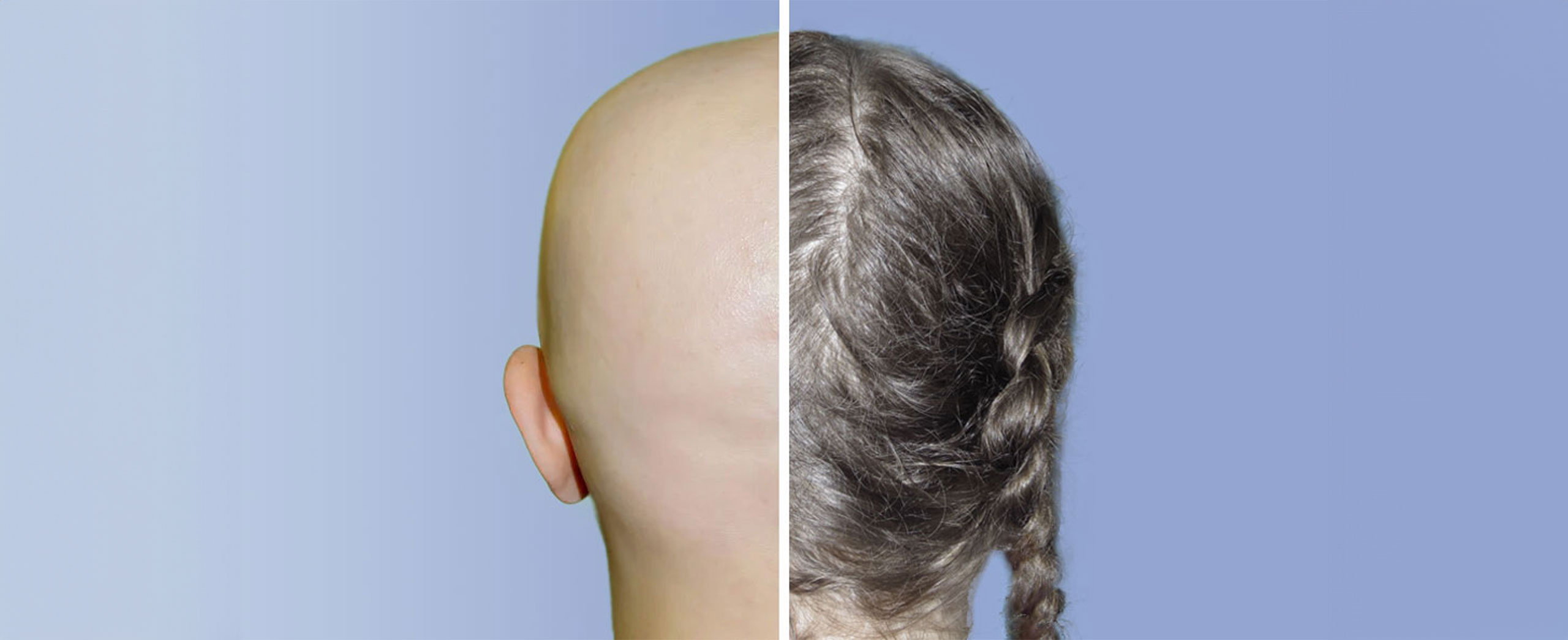
Hair is far more than just keratin filaments protecting the scalp; it is an intrinsic part of our identity, our history, and our self-esteem. Losing it can feel like losing a piece of oneself. Whether it is a receding hairline that makes you look older than your years, or the distressing widening of a parting after pregnancy, hair loss is a deeply emotional experience.
In London, this anxiety is compounded by the environmental stressors of our city—from hard water calcification to high-stress careers. Many patients come to Vahideh Aesthetics feeling hopeless, having exhausted the aisles of Boots trying thickening shampoos and oral gummies that promise the world but deliver nothing.
The Science of Restoration: Advanced Hair Loss Treatments in London at Vahideh Aesthetics
We are here to tell you that there is hope, but it requires science, not marketing.
At Vahideh Aesthetics, we specialize in Non-Surgical Hair Loss Treatments. We move beyond superficial cosmetics to address the root cause—quite literally. By utilizing the latest in regenerative medicine, including PRP (Platelet-Rich Plasma), Mesotherapy, and Polynucleotides, we stimulate dormant follicles, reverse miniaturization, and restore density. This is not an overnight miracle; it is a biological commitment. If you are ready to understand the true physiology of your hair and how to save it, this guide is for you.
Hair Loss Treatments
The Biology of Growth: Understanding the Anagen-Telogen Clock
To understand how our treatments work, you must first understand the biological mechanism of hair growth. Hair is not a static structure; it is a dynamic organ that cycles through distinct phases. Hair loss occurs when this cycle is disrupted.
1. Anagen (The Growth Phase)
This is the active phase where the cells in the root of the hair are dividing rapidly, adding to the hair shaft. In a healthy scalp, 85-90% of your hair is in this phase, which can last 2 to 7 years. Our Goal: To prolong this phase.
2. Catagen (The Transition Phase)
A short transition stage that occurs at the end of the Anagen phase. It lasts about 10 days. The hair follicle shrinks and detaches from the dermal papilla (the blood supply).
3. Telogen (The Resting Phase)
This is the resting phase, lasting around 3 months. Around 10-15% of hairs are in this phase. While the old hair rests, a new hair begins the growth phase.
4. Exogen (The Shedding Phase)
The old hair sheds, and the new hair pushes through.
The Problem: Follicular Miniaturization & DHT
In conditions like Androgenetic Alopecia (Male/Female Pattern Baldness), a hormone called Dihydrotestosterone (DHT) attacks the follicle. It forces the hair to rush through the Anagen phase too quickly and spend too long in the Telogen phase.
Over time, the follicle shrinks—a process called Follicular Miniaturization. The hair produced becomes thinner, shorter, and wispier (vellus hair) until the follicle eventually dies and produces no hair at all.
The Vahideh Aesthetics Strategy: Our treatments are designed to block the effects of DHT, wake up dormant follicles, and force them back into the Anagen phase before they die completely.
Hair Loss Treatments
The London Factor: Stress, Pollution, and Hard Water
Why does hair loss seem so prevalent in London? While genetics play the largest role, our specific urban environment acts as an accelerant.
The “Hard Water” Calcification
London has some of the hardest water in the UK. It is rich in calcium and magnesium. When you wash your hair, these minerals react with shampoo to form a “scum” that settles on the scalp. Over time, this calcification can block the hair follicle opening, restricting the growth of new hair and creating a breeding ground for bacteria and inflammation.
Oxidative Stress from Pollution
The particulate matter in London’s air (PM2.5) generates free radicals on the scalp. This Oxidative Stress damages the cellular DNA of the hair follicle, weakening the anchor of the hair root and accelerating shedding.
Cortisol and “Telogen Effluvium”
The high-pressure lifestyle of the City leads to elevated cortisol (stress hormone) levels. Cortisol signals the body to shift resources away from “non-essential” functions like hair growth. This can trigger Telogen Effluvium—a condition where a large number of follicles are shocked into the shedding phase simultaneously.
Hair Transplant vs. Mesotherapy: Which is right for me?
A common misconception is that a Hair Transplant is the only solution. In reality, surgery should often be the last resort, or used in conjunction with maintenance therapies.
At Vahideh Aesthetics, we focus on Non-Surgical Restoration. This is ideal for:
-
Preservation: Men and women who still have hair but want to stop it from thinning further.
-
Thickening: Reversing the miniaturization process to make existing thin hairs thick again.
-
Recovery: Post-partum or post-stress shedding.
A Hair Transplant moves hair from the back of the head to the front. It does not stop the original hair loss. Without maintenance treatments like PRP or Mesotherapy, you will continue to lose the non-transplanted hair behind the new hairline, leading to unnatural gaps. Therefore, even transplant patients require the treatments we offer.
Hair Loss Treatments
Our Clinical Toolbox: PRP, Mesotherapy, and Polynucleotides
We utilize a multi-modal approach to scalp rehabilitation. We don’t just treat the hair; we treat the soil (the scalp) in which it grows.
1. PRP / i-PRF (Platelet-Rich Plasma)
Often called “Liquid Gold,” this is one of the most scientifically backed treatments for genetic hair loss.
-
The Process: We draw a small amount of your blood (similar to a blood test). We spin it in a centrifuge to separate the red blood cells from the plasma. The resulting plasma is rich in Platelets.
-
The Mechanism: Platelets are the body’s healers. They release massive amounts of Growth Factors (PDGF, VEGF, TGF). When injected into the scalp, these growth factors signal the stem cells in the hair follicle to regenerate. They increase blood flow (angiogenesis) to the root, delivering more oxygen and nutrients.
-
Ideal For: Genetic thinning, Alopecia Areata, and hair density improvement.
2. Mesotherapy (The Nutrient Cocktail)
If PRP is the “signal,” Mesotherapy is the “fuel.”
-
The Process: We micro-inject a bespoke cocktail of vitamins, minerals, amino acids, and Hyaluronic Acid directly into the mesoderm (middle layer) of the scalp.
-
The Mechanism: Oral supplements often fail to reach the hair because of poor absorption in the gut. Mesotherapy bypasses the digestive system, delivering ingredients like Biotin, Zinc, and Copper Peptides exactly where the follicle needs them to build strong keratin.
-
Ideal For: Nutritional deficiencies, dull/brittle hair, and seasonal shedding.
3. Polynucleotides (The Regenerative Bio-Stimulator)
This is the cutting edge of regenerative medicine. Polynucleotides are filtered DNA fractions derived from salmon trout germ cells (highly compatible with human DNA).
-
The Mechanism: They work at a cellular level to repair damaged DNA and improve the quality of the scalp tissue. They are potent scavengers of free radicals (anti-pollution) and create a healthier environment for hair to anchor.
-
Ideal For: Older patients with poor scalp quality, or those who haven’t responded to other treatments.
Comparison Table: Medical Hair Treatments vs. Transplants vs. Minoxidil
To help you navigate the confusing world of hair restoration, we have compared the leading options available in London.
| Feature | PRP / Polynucleotides (Vahideh Aesthetics) | Hair Transplant (FUE/FUT) | Topical Minoxidil (Regaine) |
| Primary Goal | Revive dormant follicles & thicken existing hair. | Relocate hair to bald spots. | Prolong Anagen phase (temporarily). |
| Invasiveness | Minimally Invasive (Injections). | Invasive Surgery (Incisions/Scarring). | Non-invasive (Topical liquid). |
| Downtime | Zero (Lunchtime procedure). | 7-14 days (Scabbing/Swelling). | None (Greasy residue). |
| Pain Level | Mild discomfort (Numbing used). | Moderate to High post-op. | None. |
| Timeline | Gradual improvement over 3-6 months. | 12 months for full result. | Indefinite daily use. |
| Cost in London | Moderate (££) – Pay per session. | High (££££) – Large upfront sum. | Low (£) – Monthly cost. |
| Best For | Thinning hair, early recession, women. | Complete baldness in specific areas. | Early stage maintenance. |
The Reality of Regrowth: Managing Expectations
We must be brutally honest: Hair restoration is a marathon, not a sprint.
Hair grows at a rate of approximately 1cm per month. Furthermore, dormant follicles take time to “wake up” and exit the Telogen phase.
-
Months 1-2: You likely won’t see visible growth. You may even experience a slight increase in shedding. Do not panic; this is the “shedding of the old” to make way for the new, stronger hair. It is a sign the treatment is working.
-
Months 3-4: You will notice a reduction in hair fall. The hair may feel thicker and healthier.
-
Months 6+: This is when visual regrowth typically occurs. You may see baby hairs (new Anagen growth) appearing along the hairline or parting.
At Vahideh Aesthetics, we recommend a course of 3 to 6 sessions, spaced 4 weeks apart, to achieve optimal results. Patience and consistency are the keys to success.
Hair Loss Treatments
Frequently Asked Questions (FAQ)
Q1: Does PRP work for genetic hair loss?
Yes. Clinical studies show that PRP is effective in treating Androgenetic Alopecia (male/female pattern baldness) by stimulating the stem cells in the follicle and increasing blood supply. However, it works best in the early to mid-stages of hair loss. It cannot regrow hair on a completely bald, shiny scalp where the follicles are dead.
Q2: Can stress cause hair loss?
Absolutely. High cortisol levels can push hair follicles into a premature resting state (Telogen Effluvium). This usually manifests as diffuse thinning rather than a receding hairline. Our treatments help by reducing inflammation and providing the follicle with the energy it needs to restart the growth cycle.
Q3: How many sessions needed for hair regrowth?
We typically prescribe a loading phase of 3 to 6 treatments, spaced 4 weeks apart. Once the desired density is achieved, we recommend a maintenance session every 6 to 12 months to keep the follicles active and combat the ongoing effects of aging and genetics.
Q4: Is hair thinning reversible?
If the follicle is still alive (producing thin, wispy hair), yes, the thinning is often reversible. We can thicken that hair shaft back to its original size. If the follicle has been dead for years (slick bald skin), it is not reversible non-surgically. This is why acting early is crucial.
Q5: Is the treatment painful?
The scalp can be sensitive, but we prioritize your comfort. We use very fine needles and can apply a topical anaesthetic spray or cream to numb the area before injecting. Most clients describe the sensation as a feeling of pressure or a light prick.
Q6: Male pattern baldness treatment – Can I combine this with medication?
Yes. We often advocate a multi-pronged approach. Combining our clinical treatments (PRP/Mesotherapy) with oral Finasteride or topical Minoxidil (prescribed by a doctor) often yields the most aggressive and successful results for male pattern baldness.
Q7: Why choose Vahideh Aesthetics for scalp consultation?
We approach hair loss medically, not cosmetically. We don’t just sell you a package; we analyze your scalp, discuss your lifestyle (stress, diet, London factors), and build a bespoke protocol. We also ensure the highest concentration of platelets and active ingredients are used, unlike generic “beauty” treatments.
Conclusion: Save the Hair You Have
Hair loss can feel like a losing battle against genetics and time, but modern regenerative medicine has given us powerful weapons to fight back. You do not have to accept a receding hairline or a widening parting as inevitable.
At Vahideh Aesthetics, we are passionate about restoring not just your hair, but your confidence. Whether you are a man looking to hold onto your youthful hairline or a woman seeking to restore volume after menopause or pregnancy, our non-surgical solutions offer a safe, effective, and scientifically proven path forward.
Do not wait until the follicle is dead. The best time to treat hair loss was yesterday; the second best time is today.