Dermal Fillers
In the competitive, fast-paced environment of London, confidence is currency. Whether you are commanding a boardroom in Canary Wharf or socialising in Mayfair, presenting a face that reflects vitality and strength is essential. However, aging is a biological inevitability. Over time, the face we see in the mirror begins to disconnect from the youthful energy we feel inside. The jawline softens, the eyes look tired despite a full night’s sleep, and gravity seems to take hold.
For decades, the only solution to these changes was the surgeon’s scalpel—a drastic measure with irreversible results and significant downtime. Today, we live in the era of the “Liquid Facelift.”
The Architect of Anatomy: Dermal Fillers in London at Vahideh Aesthetics
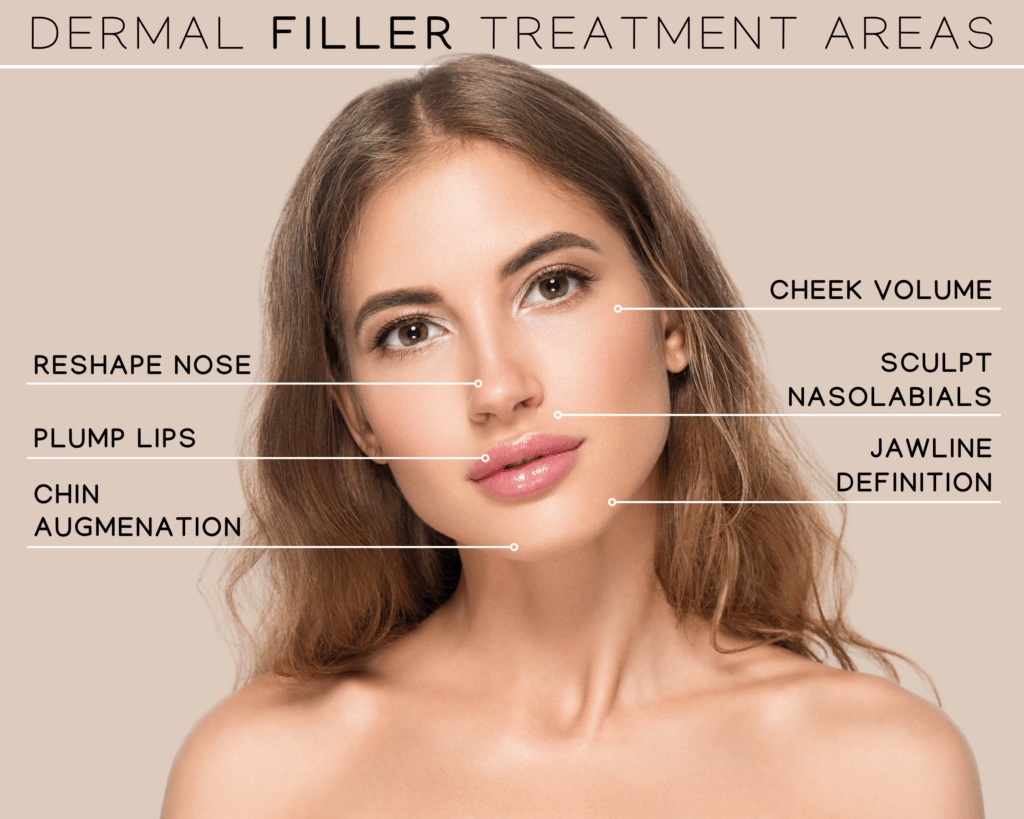
At Vahideh Aesthetics, we view Dermal Fillers not merely as a cosmetic add-on, but as a form of medical architecture. We are not here to simply “fill” lines; we are here to restore the structural integrity of the face. Using premium Hyaluronic Acid gels, we rebuild lost bone structure, re-inflate depleted fat pads, and sculpt features with artistic precision. This is not about changing who you are; it is about restoring the version of you that time has eroded.
Dermal Fillers
The Science of Aging: Why We Need Dermal Fillers (Bone vs. Fat)
To understand why Dermal Fillers are the gold standard for rejuvenation, one must look beneath the skin. Many clients believe that wrinkles are simply a result of skin laxity. In reality, facial aging is a multi-layered collapse involving Bone Resorption and Fat Pad Atrophy.
The Shrinking Skeleton (Bone Resorption)
As we age, our skull literally shrinks. The eye sockets (orbits) widen, causing the eyes to look hollow. The maxilla (upper jaw) recedes, causing the nose to droop and the upper lip to invert. The mandible (jawbone) loses volume, leading to jowls. When the skeletal support shrinks, the skin envelope becomes too large for the structure underneath, resulting in sagging. We use high-density fillers to mimic bone, effectively rebuilding this lost scaffold.
Fat Pad Atrophy and Migration
A youthful face is defined by distinct, full fat pads in the cheeks and temples. As we age, these fat pads deflate (atrophy) and slide downward due to gravity. This volume loss in the mid-face is what creates the heavy folds around the mouth (nasolabial folds) and the “sad” downturned lines at the chin (marionette lines). By replacing this volume deep in the cheek, we can hoist the lower face back up, restoring the “Triangle of Youth.”
The “Pillow Face” Defense: Our Philosophy of Facial Balancing
We must address the elephant in the room: the fear of the “overfilled” face. We have all seen the horror stories on social media or walked past someone in Central London with “duck lips” and “chipmunk cheeks.” This is what we call Dysmorphia by Injection, and it is strictly against the ethos of Vahideh Aesthetics.
Our Philosophy: Less is More.
The “Pillow Face” syndrome occurs when an unskilled practitioner attempts to erase every single wrinkle by pumping excessive amounts of soft filler into the face. This obliterates the natural contours and shadows that make a face look human.
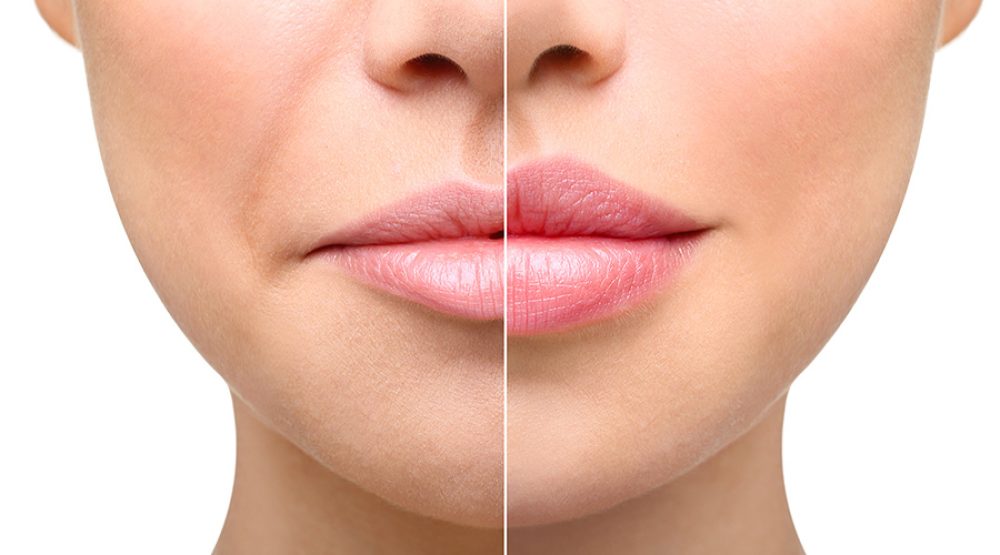
At Vahideh Aesthetics, we practice Facial Balancing and Profile Harmonization.
We do not chase wrinkles. Instead, we look at the face holistically.
Dermal Fillers
-
If you want to fix deep nasolabial folds, we rarely inject the fold directly (which can look puffy). Instead, we inject the cheekbones to lift the skin off the fold.
-
If you want bigger lips, we first assess your chin. If you have a recessed chin, adding lip volume will make your profile look unbalanced. We might suggest a small amount of chin filler first to balance the profile.
Our goal is “invisible work.” You should look rested, fresh, and defined—never “done.”
Rheology 101: Understanding G-Prime and Texture
A common misconception is that “filler is filler.” This could not be further from the truth. The Hyaluronic Acid (HA) fillers we use at Vahideh Aesthetics vary wildly in their Rheology (flow properties), specifically their G-Prime (G’).
G-Prime refers to the “lifting capacity” or hardness of the gel.
High G-Prime (The Bone Mimic)
For areas like the Cheekbones, Jawline, and Chin, we need a filler that is stiff, structural, and resistant to deformation. It needs to sit on the bone and lift heavy tissue, acting like a prosthetic. Using a soft filler here would be like trying to build a house foundation out of jelly—it would simply spread and flatten (leading to the dreaded “moon face”).
Low G-Prime (The Soft Tissue Mimic)
For areas like the Lips and Tear Troughs (under eyes), we need a filler that is soft, flexible, and integrates seamlessly with your moving tissue. High G-Prime filler here would feel hard and look lumpy. We use silky, low-viscosity gels that move when you smile and kiss, ensuring a natural feel.
Treatment Zones: Sculpting the London Look
We offer a comprehensive range of sculpting treatments tailored to the specific aesthetic preferences of our London clientele.
Dermal Fillers
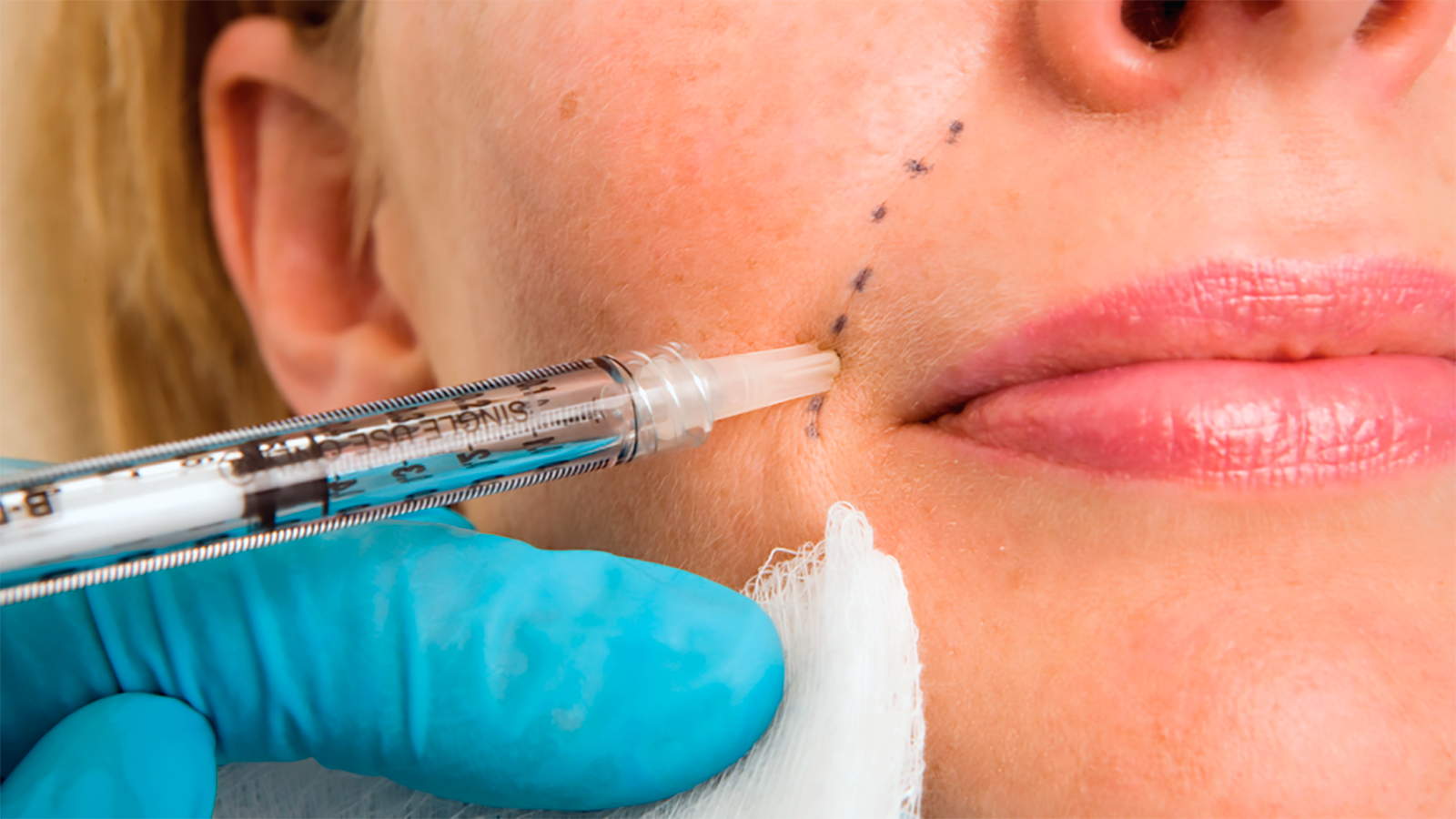
Jawline Contouring London
A sharp, defined jawline is a universal sign of youth and fitness. For men, we use high G-prime filler to widen the jaw angle, creating a masculine, square look. For women, we contour the jawline to separate the face from the neck, tightening the jowls and creating an elegant, “snatched” profile.
Best Lip Filler Clinic London (Shape vs. Volume)
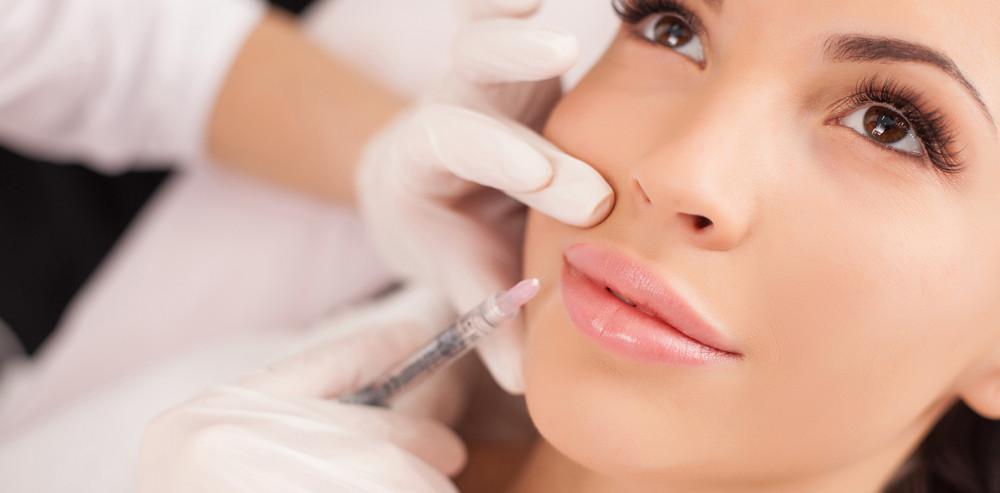
Whether you desire the height and flatness of the “Russian Lip” technique or a subtle hydration boost, we prioritize shape over sheer size. We define the Vermilion Border (the lip outline) to prevent lipstick bleeding and add volume to the body of the lip for a plush look. Crucially, we respect natural anatomy to avoid “filler migration” (the filler moustache).
Cheek Enhancement for Lifting
This is the powerhouse of facial rejuvenation. By placing structural filler on the zygomatic arch (cheekbone), we restore the “Ogee Curve”—the S-shaped curve seen on a youthful ¾ profile. This structural support lifts the lower face, often improving the appearance of the jawline and nasolabial folds indirectly.
Non-Surgical Rhinoplasty London
Also known as the “liquid nose job,” this advanced procedure uses filler to disguise a dorsal hump, lift a drooping tip, or straighten a crooked bridge. It is a 15-minute procedure with instant results, avoiding the trauma and recovery of surgical rhinoplasty.
Tear Trough Filler Safety
The hollows under the eyes can make you look perpetually exhausted. By carefully placing a specialized, lightweight filler deep in the tear trough, we can reduce the shadow and smooth the transition between the lower lid and the cheek. Note: This treatment requires strict candidate selection; not everyone is suitable.
Technique and Safety: Cannula vs. Needle
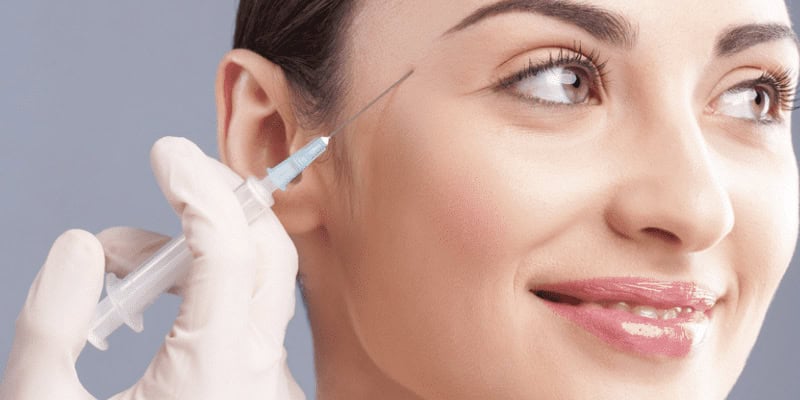
At Vahideh Aesthetics, safety is not just a protocol; it is an obsession. The face is a minefield of arteries and veins. Accidentally injecting filler into a blood vessel (vascular occlusion) can lead to tissue necrosis.
Dermal Fillers
To mitigate this risk, we frequently utilize a Micro-Cannula.
-
The Needle: Sharp and pierces through tissue. Necessary for deep, precise bolus placements on the bone.
-
The Cannula: A blunt-tipped, flexible tube. Because it is blunt, it slides around blood vessels and nerves rather than cutting through them. This significantly reduces the risk of bruising, swelling, and vascular complications, making it the preferred method for high-risk areas like the lips and jawline.
Dermal Fillers vs. Fat Transfer vs. Implants
To help you make an informed choice about your volume restoration, we have compared the available options.
| Feature | Dermal Fillers (Hyaluronic Acid) | Fat Transfer (Surgical) | Facial Implants (Silicone/Chin) |
| Composition | Synthetic HA Gel (Bio-identical). | Your own body fat (Liposuction req). | Solid Silicone. |
| Invasiveness | Minimally Invasive. | Invasive Surgery. | Invasive Surgery. |
| Reversibility | Fully Reversible (with Hyaluronidase). | Difficult/Impossible to remove evenly. | Reversible (requires surgery). |
| Downtime | 24-48 hours (Swelling). | 2 weeks (Donor & face site). | 2-4 weeks. |
| Longevity | 6 – 18 months (Metabolized). | Permanent (but fat survival varies). | Permanent. |
| Adjustability | Precise; can add/remove easily. | Unpredictable volume retention. | Fixed shape. |
| Cost in London | Moderate (££). | High (££££). | High (££££). |
The Safety Net: Hyaluronidase and Reversibility
One of the greatest advantages of Hyaluronic Acid Dermal Fillers is that they are temporary and reversible. Unlike permanent fillers (which we strongly advise against), HA fillers can be dissolved.
At Vahideh Aesthetics, we always keep a supply of Hyaluronidase on site. This is an enzyme that breaks down Hyaluronic Acid instantly.
-
Emergency Use: In the rare event of a vascular compromise, we can dissolve the filler immediately to restore blood flow.
-
Aesthetic Correction: If you have old, migrated filler from a previous practitioner that looks lumpy, we can dissolve it, wait for the tissue to heal, and then refill it correctly. This “Dissolve and Refill” protocol is popular for correcting “duck lips.”
Dermal Fillers
Frequently Asked Questions (FAQ)
1: How long do Dermal Fillers last?
Longevity depends on the product thickness (G-Prime) and your metabolism.
-
Lips: 6 to 9 months (high movement area).
-
Cheeks/Jawline: 12 to 18 months (thicker product, placed deeper).
- Tear Troughs: 12+ months.Eventually, the body breaks down the HA naturally into water and carbon dioxide.
2: Does getting fillers hurt?
We prioritize your comfort. Most of our premium fillers contain Lidocaine, a built-in anaesthetic that numbs the area from the inside as we inject. We also apply a strong topical numbing cream for 15-20 minutes before the procedure. Most clients describe the feeling as “pressure” rather than pain.
3: What is the downtime for lip fillers?
You should expect Social Downtime.
-
Day 1: Swelling is likely, and lips may look uneven or larger than expected.
-
Day 2-3: Bruising may appear.
- Day 14: The filler settles, integrates with tissue, and the final result is visible.We advise not booking lip filler less than 2 weeks before a major event like a wedding.
4: Can Dermal Fillers migrate?
Yes, if the wrong product is used or if the area is overfilled. This is common in lips, creating a “shelf” above the lip border. At Vahideh Aesthetics, we use techniques specifically designed to anchor the filler and prevent migration.
5: Dermal Fillers vs. Botox: Which do I need?
-
Botox (Anti wrinkle Injection): Relaxes muscles to stop movement lines (e.g., frowning).
- Fillers: Restore volume to static lines and hollows (e.g., deep folds, thin lips).Most full-face rejuvenations require a combination of both.
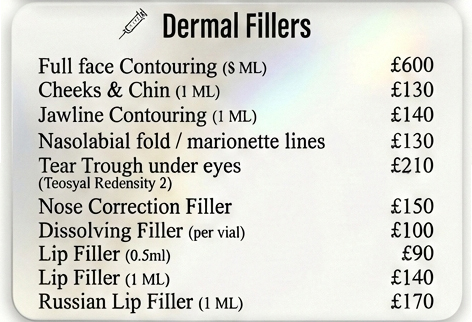
6: Dermal Fillers cost London – Why is there a price range?
Price reflects the quality of the product and the expertise of the injector. Cheap fillers often have higher rates of reaction and shorter longevity. You are paying for the medical skill to inject safely around arteries, not just the syringe itself.
7: How soon can I wear makeup?
We recommend avoiding makeup for 24 hours to keep the injection points sterile and prevent infection.
Conclusion: Your Face, Masterfully Restored
There is a fine line between enhancement and alteration. At Vahideh Aesthetics, we never cross it. We believe that the best aesthetic work is undetectable—it should whisper, not shout.
By combining a deep understanding of cranial anatomy with the artistic principles of proportion and light, we use Dermal Fillers to turn back the clock, not to create a new face. Whether you are seeking to define a weak chin, restore lost cheek volume, or simply hydrate your lips, our London clinic offers a safe, clinical environment for your transformation.